
The pet care industry is one of the fastest-growing markets in the world, as pet owners view pets as members of their families. The close bond between people and pets has urged owners to seek the best quality food for their furry companions to dine on. Food Export recently participated in the “Key Themes Shaping the Future of Pet Care” webinar, hosted by Euromonitor International.
We’re excited to share these takeaways with our supplier network—especially those exploring or expanding in the pet care export space.
The three main themes shaping the future of pet food are:

One key packaging trend is “humanifying” pet food—making it understandable and appealing to the consumer. Think microwavable dog bowls, pet lattes, and canned food featuring destination flavors like “Taste of Spain.” These approaches mirror trends in human consumption.
Additionally, being intentional about the ingredients promoted—and why they matter in a pet’s diet—taps into the psychological need for transparency. Whether it’s boosting immunity, improving nutrition, or supporting healthy skin and coat, these packaging decisions reflect a growing trend: pet owners are prioritizing transparency, purpose-driven ingredients, and a shared lifestyle experience with their pets.
Creating innovative packaging formats beyond traditional kibble is essential in holding the consumer’s attention. Brands are exploring whole food packaging formats that showcase fresh ingredients for both health and visual appeal.
At the same time, diversification through private labeling has become increasingly popular. Premium segments are expanding, leading to price compression—where private labels and high-end brands are narrowing the gap between value and brand.
A notable player in this space is creative packaging and branding. The humanization of pets is shaping product design—like how cat food brands such as Tiki Cat now mimic baby products with pastel packaging and food names like “Baby Mousse.” Toys and treats are also starting to resemble infant items, reinforcing the idea of pets as children.
Altogether, these shifts reflect an industry that’s not only evolving to meet functional needs, but also forging emotional connections—making the line between value and brand loyalty increasingly blurred.
Pet retail has evolved rapidly through e-commerce, non-traditional retail spaces, and shifts in consumer behavior.
E-commerce is booming, with pet food categories seeing 40% growth. Online platforms have allowed emerging and niche brands to bypass traditional retail and connect directly with consumers. Social media is further boosting sales through live product demos, flash sales, and active community engagement. This direct-to-consumer model helps niche brands build loyalty before expanding offline.
Non-traditional retail is also on the rise. Local boutiques are offering exclusive deals, while non-pet retailers are cross-selling pet items with lifestyle products—such as charms and matching T-shirts on the same display.
Meanwhile, consumer behavior is shifting. Economic uncertainty has contributed to smaller, urban-friendly pets, an aging pet population, and slower adoption rates. These lifestyle changes are reshaping retail by focusing on convenience, personalization, and emotional value.
As the pet care industry continues to evolve, staying ahead means understanding not just what products are being offered—but how and why they resonate with today’s pet owners.
From functional ingredients and emotionally driven packaging to the rise of digital retail and data-informed strategies, the landscape is shifting fast.
Food Export’s participation in niche webinars like this one reflects our ongoing commitment to supporting U.S. suppliers across a range of specialized sectors—including the rapidly growing pet food industry. With global demand on the rise, access to timely insights and targeted research can help both emerging and established companies make informed decisions and strengthen their export strategies.
Visit foodexport.org to check out our upcoming webinars, educational resources, and buyer missions.
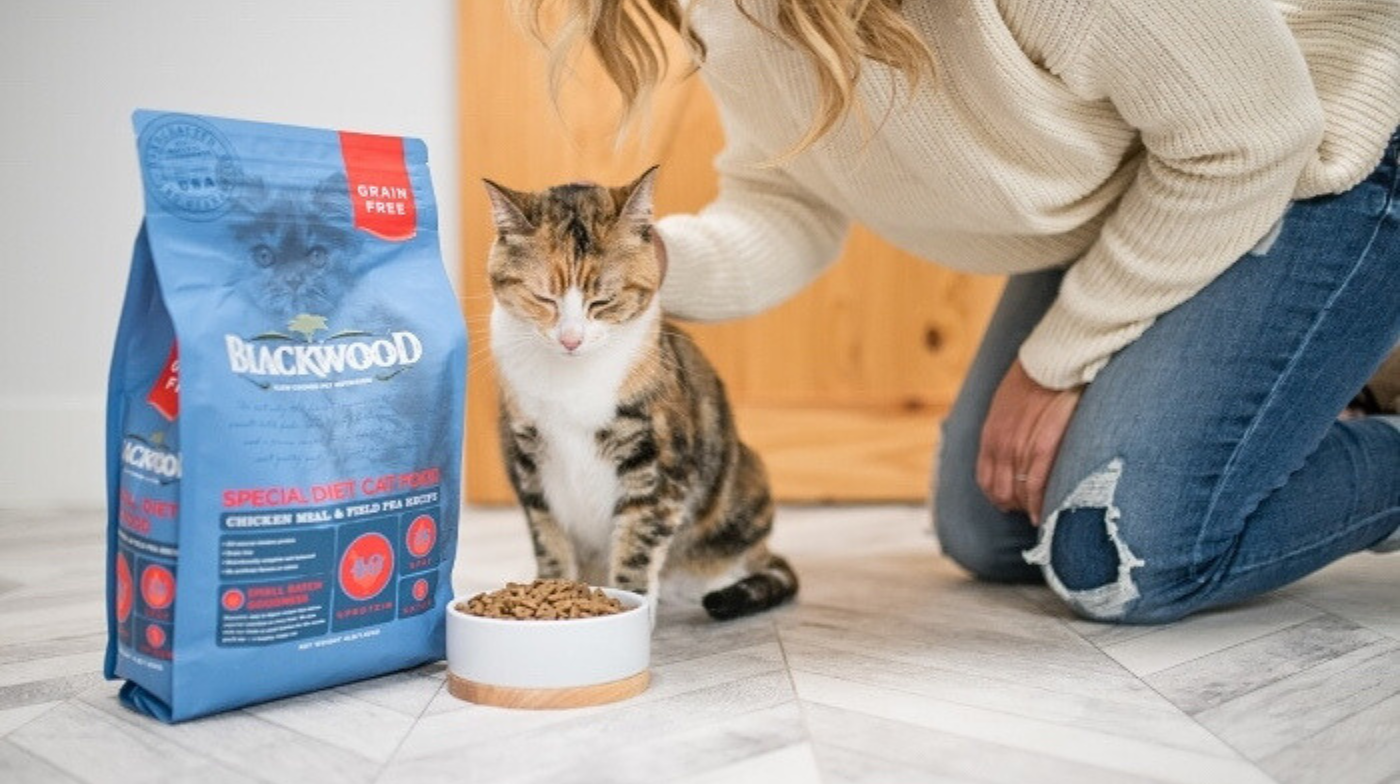
Read the Success Story of Blackwood Pet Food, one of our featured pet food suppliers.
The 2026 Event Calendar has also launched with several events geared toward pet food suppliers.
And don’t forget to check out our free recorded webinars:
All webinars are free to watch—just create a Food Export account to access them.